Unlocking Your Skin's Potential: A Deep Dive into Active Skin Repair
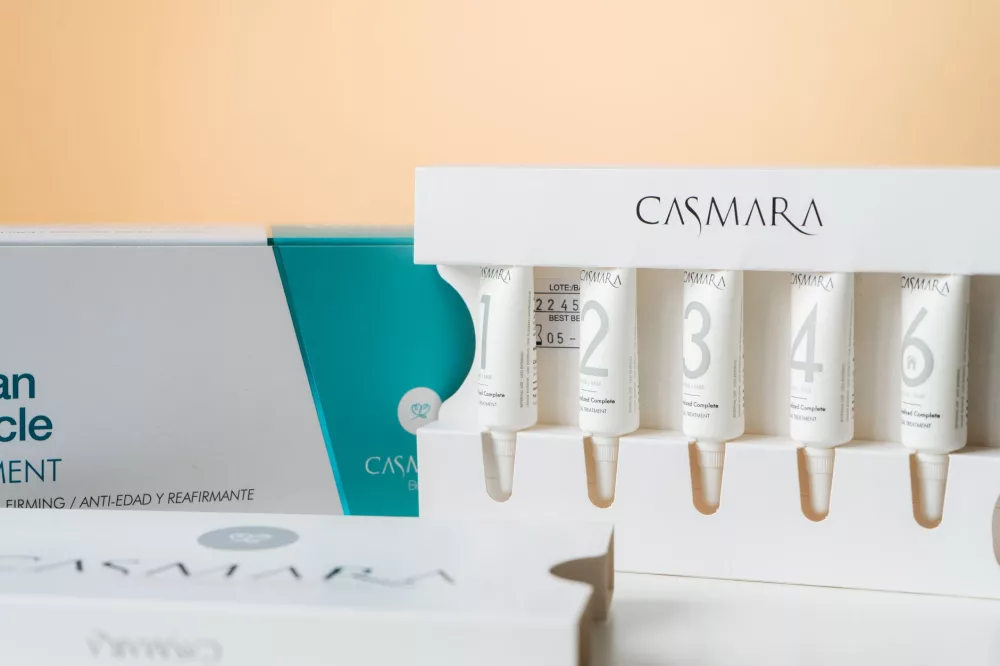
I've always been fascinated by the incredible resilience of our skin. It's truly our body's largest organ, a dynamic shield protecting us from countless external aggressors day in and day out. But while it works tirelessly, sometimes it needs a little help, something beyond basic hydration. That's where the concept of 'active skin repair' really comes into its own, shifting our focus from merely maintaining skin to proactively restoring and strengthening it at a cellular level. It's a proactive approach I've embraced in my own routine, and one I think everyone should understand.
What Exactly is Active Skin Repair?
When we talk about active skin repair, we're not just discussing moisturizers that sit on the surface, offering temporary comfort. Oh no, it’s much more profound than that. Active skin repair refers to the use of skincare ingredients and technologies specifically designed to stimulate and enhance the skin's intrinsic healing and regeneration processes. It's about empowering your skin to mend itself more efficiently, addressing damage from UV radiation, pollution, environmental stressors, and even the natural aging process.
Think of it this way: instead of simply patching up a leaky roof, active repair helps reinforce the underlying structure, making it more robust against future storms. My journey into understanding this started years ago when I noticed my skin wasn't bouncing back like it used to, and conventional products just weren't cutting it. I realized I needed to introduce ingredients that actually *told* my skin to do something, rather than just covering things up.
The Powerhouse Ingredients Driving Repair
So, what are these magical components that encourage such significant change? A few standout categories have truly revolutionized how we approach skin health. From my perspective, these are the heavy hitters:
- Peptides: These short chains of amino acids are like messengers, signaling your skin to produce more collagen, elastin, and other vital proteins. There are so many types, each with slightly different instructions for your skin cells. I've found certain peptide complexes to be incredibly effective in improving skin firmness and reducing the appearance of fine lines.
- Growth Factors: Oh, these are fascinating! They're naturally occurring proteins that stimulate cell growth, proliferation, and differentiation. Essentially, they tell your cells to behave like younger, healthier cells. Using products with epidermal growth factors (EGF), for instance, has been a game-changer for accelerating repair and promoting overall skin revitalization.
- Ceramides: The unsung heroes of the skin barrier, in my opinion. Ceramides are lipids that form a crucial part of your skin’s natural barrier. When this barrier is compromised, your skin becomes vulnerable, leading to dryness, irritation, and sensitivity. Actively repairing the barrier with ceramides helps restore its integrity, locking in moisture and keeping irritants out. It’s like rebuilding a damaged brick wall.
- Antioxidants (e.g., Vitamin C, Vitamin E, Ferulic Acid): While not directly repairing in the same way as peptides or growth factors, antioxidants are absolutely critical. They neutralize free radicals – those unstable molecules that wreak havoc on our cells and contribute to premature aging and damage. Protecting the skin from this ongoing assault allows its natural repair mechanisms to function more effectively. I never skip my morning antioxidant serum; it’s non-negotiable.
- Retinoids (Vitamin A derivatives): Perhaps the most well-researched and potent repair agents out there. Retinoids encourage cell turnover, stimulate collagen production, and help to normalize skin cell function. While they can be intense initially, the long-term benefits for texture, tone, and fine lines are undeniable. It's about careful integration into your routine, but the rewards are significant.
- Hyaluronic Acid: While often lauded for hydration, its role in repair is often underestimated. Hydrated skin functions better, and hyaluronic acid provides the optimal environment for healing processes. It draws moisture into the skin, supporting the cellular activities needed for regeneration.
How Does Active Repair Manifest in Our Skin?
The beauty of active skin repair lies in its multi-faceted approach. What I've observed, both personally and through countless conversations with skincare professionals, is a cascade of positive effects:
"Active skin repair isn't just about superficial improvements; it's about fostering a healthier, more resilient skin ecosystem from within. We're seeing real, measurable changes at the cellular level."
- Enhanced Cellular Regeneration: Your skin is constantly shedding and renewing itself. Active ingredients optimize this process, ensuring that new, healthier cells come to the surface more efficiently. This leads to a brighter, more even complexion.
- Strengthened Skin Barrier: As I mentioned with ceramides, a healthy barrier is everything. Active repair helps to rebuild and maintain this crucial shield, reducing trans-epidermal water loss and protecting against environmental damage. For someone prone to sensitivity, this can be truly transformative.
- Reduced Inflammation: Many active repair ingredients possess anti-inflammatory properties, calming irritated skin and reducing redness. Chronic inflammation is a major culprit in accelerating skin aging, so addressing it is key.
- Increased Collagen and Elastin Production: These structural proteins are what keep our skin firm, plump, and youthful. Active repair signals the skin to ramp up their production, leading to a visible improvement in skin elasticity and a reduction in wrinkles.
Integrating Active Repair into Your Routine
For anyone looking to embrace active skin repair, my advice is always to start slow and listen to your skin. Introducing potent ingredients needs a considered approach. I've found it helpful to:
- Identify Your Core Concern: Are you battling fine lines, hyperpigmentation, a compromised barrier, or dullness? This will guide your ingredient choices.
- Start with One or Two New Actives: Don't overwhelm your skin (or your wallet!). Try a peptide serum for a few weeks, then perhaps introduce a gentle retinoid a few nights a week.
- Be Consistent: Active repair isn't an overnight fix. It requires dedication. I usually give new active products at least 4-6 weeks to show their initial effects, and often much longer for full benefits.
- Prioritize Sun Protection: This goes without saying, but it's especially critical when you're actively repairing your skin. Many actives can increase sun sensitivity, and UV damage negates all the good work you’re doing. SPF 30+ every single day, without fail.
It’s a journey, not a sprint. My own experience has shown me that patience and a thoughtful selection of products are paramount. The world of active skin repair is continually evolving, with new ingredients and technologies emerging regularly. Keeping an eye on scientific research and advancements is always a good idea, as what's cutting edge today might be standard practice tomorrow. Ultimately, it’s about giving our skin the best possible chance to be healthy, vibrant, and strong for years to come. It’s an investment, and one I wholeheartedly believe is worth making.
About Editorial Team
Senior columnist and culture critic specializing in architectural designs, emerging high-growth systems, and contemporary philosophies.