The Alchemy of Renewal: Understanding Active Skin Repair for Lasting Vitality
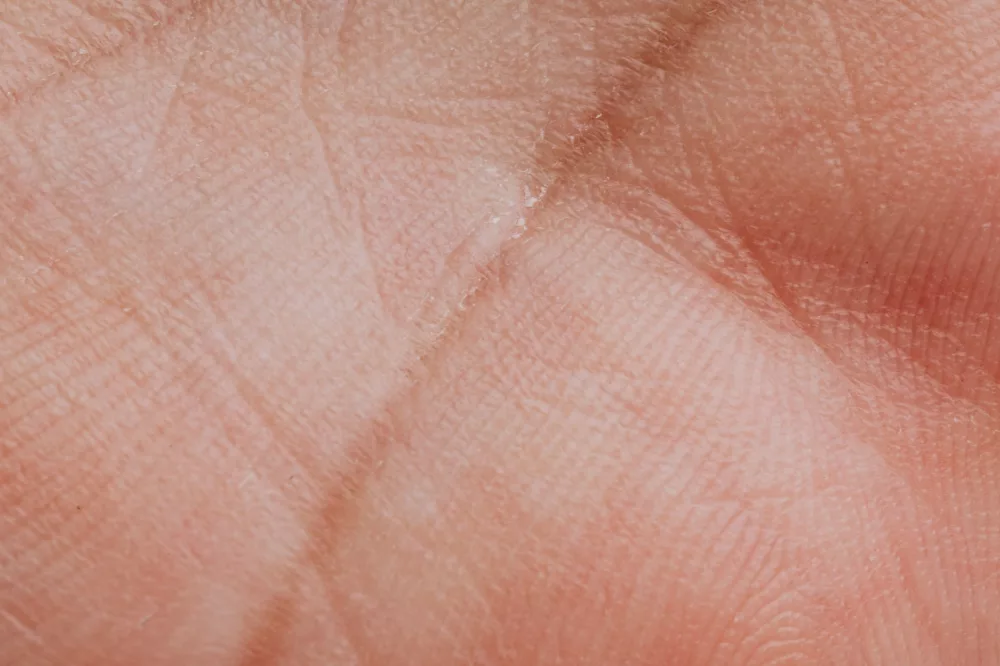
Unlocking Your Skin's Potential for Self-Renewal
I've often found myself musing over the sheer complexity and resilience of human skin. It's truly our body's most incredible armor, a dynamic shield constantly fending off environmental aggressors, internal stresses, and the relentless march of time. Yet, for all its innate strength, our skin sometimes needs a helping hand to truly bounce back, to repair itself in a way that goes beyond mere surface-level hydration. This, my friends, is where the profound concept of active skin repair enters the conversation, transforming our approach to skincare from reactive to truly restorative.
You see, we're not just talking about covering up imperfections; we're delving into the fascinating biological mechanisms that underpin our skin's ability to heal, regenerate, and maintain its youthful vigor. For years, I believed a good moisturizer and SPF were the be-all and end-all, and while those are undeniably foundational, I've since learned that true skin vitality often requires a more proactive, scientifically informed strategy. It's about stimulating the skin’s intrinsic healing processes, giving it the right tools to rebuild and strengthen itself from within.
What Exactly is Active Skin Repair?
At its core, active skin repair is the strategic application of ingredients and methods designed to bolster the skin's natural regenerative capacities. It's about encouraging cellular turnover, promoting collagen and elastin synthesis, restoring a compromised skin barrier, and mitigating damage at a molecular level. Think of it less as a quick fix and more as an investment in your skin's long-term health and resilience. My own journey into understanding this realm has shown me that it's a truly holistic approach, looking beyond just the superficial.
Our skin is an incredibly intelligent organ. When it's injured, be it from a cut, excessive sun exposure, or even just daily wear and tear, it immediately initiates a complex cascade of events to repair itself. This process involves inflammation, proliferation of new cells, and eventual remodeling of the tissue. Active skin repair products are formulated to optimize these natural processes, providing essential building blocks and signaling molecules that can often diminish with age or environmental stress.
“The goal isn't just to look better, it's to have skin that functions better, feels better, and truly thrives.”
The Architects of Renewal: Key Ingredients That Work Wonders
So, what are these magical ingredients, these unsung heroes working diligently beneath the surface? My research, and indeed my experience, points to several categories that truly make a difference:
- Growth Factors: These are probably the biggest game-changers in active repair. They're naturally occurring proteins that signal cells to grow, divide, and differentiate. Applying topical growth factors can mimic the body's own healing signals, encouraging the production of new collagen and elastin, accelerating wound healing, and improving overall skin texture. I've seen firsthand how incorporating these can make a dramatic impact on skin firmness and scar appearance.
- Peptides: Small chains of amino acids, peptides act like messengers, telling your skin to do certain things, like produce more collagen (collagen-stimulating peptides) or calm inflammation (neuro-peptides). They're incredibly versatile and a staple in many advanced repair formulations.
- Antioxidants: While not directly repairing, antioxidants like Vitamin C, Vitamin E, ferulic acid, and resveratrol play a crucial preventative role by neutralizing free radicals that cause cellular damage and hinder repair. A truly repaired skin is also well-protected skin.
- Barrier Repair Agents: Ingredients such as ceramides, fatty acids, and cholesterol are essential for rebuilding and strengthening the skin's lipid barrier. A healthy barrier is the first line of defense, preventing moisture loss and blocking irritants. When your barrier is compromised, your skin can't repair itself effectively; it's just too busy trying to hold itself together.
- Niacinamide (Vitamin B3): This multi-tasking superstar improves skin barrier function, reduces inflammation, minimizes pore appearance, and even helps with hyperpigmentation. It's a fantastic supportive ingredient for any active repair routine.
Addressing Common Concerns with Targeted Repair
I find it fascinating how active repair strategies can be tailored to address a spectrum of skin issues:
- Aging Skin: Fine lines, wrinkles, and loss of elasticity often stem from decreased collagen and elastin production. Growth factors and peptides are especially effective here, encouraging the rebuilding of these structural proteins.
- Sun Damage & Hyperpigmentation: UV radiation wreaks havoc on skin cells and triggers melanin overproduction. Repair ingredients, alongside potent antioxidants, can help mitigate this damage and improve skin tone uniformity.
- Acne Scars & Post-Inflammatory Hyperpigmentation (PIH): Active repair can significantly improve the texture and discoloration left behind by acne. Ingredients that promote cellular turnover and collagen remodeling can smooth out pitted scars and fade red or brown marks.
- Sensitive & Compromised Skin: For those with a weakened skin barrier, often manifesting as redness, irritation, or conditions like eczema, barrier-repairing ingredients are absolutely non-negotiable. They help restore comfort and build resilience.
Crafting Your Active Repair Regimen: My Approach
Integrating active skin repair into your daily routine doesn't have to be overwhelming. I usually advise a phased approach, focusing on consistency:
- Gentle Cleansing: Always start with a non-stripping cleanser. You don't want to compromise your barrier before you even begin.
- Targeted Serums: This is where your repair powerhouse ingredients come in. Apply serums containing growth factors, peptides, or antioxidants to clean, slightly damp skin.
- Deep Moisturization: Lock in those actives and support your barrier with a rich, occlusive moisturizer, especially in the evening. Look for those ceramides!
- Unwavering Sun Protection: This isn't just about preventing new damage; it's crucial for allowing existing repair work to flourish. UV exposure will undo your hard work faster than anything else.
It's important to remember that active skin repair is a marathon, not a sprint. I've learned to manage my own expectations and appreciate the gradual, yet profound, improvements over weeks and months. You might not see a dramatic overnight transformation, but what you will likely observe is skin that feels stronger, looks healthier, and possesses a luminous quality that comes from true vitality.
Beyond the Bottle: Lifestyle's Role in Repair
While topical products are incredibly powerful, I can't stress enough the importance of foundational lifestyle choices. Adequate sleep, a nutrient-rich diet (think plenty of antioxidants and healthy fats), effective stress management, and proper hydration all contribute significantly to your skin's ability to repair and renew itself. My personal journey has affirmed that when you support your body as a whole, your skin reflects that inner well-being.
Ultimately, active skin repair is about empowering your skin to be its best self. It's a journey of understanding, patience, and commitment. By embracing the science and consistently providing your skin with the tools it needs, you're not just aiming for temporary fixes; you're cultivating a foundation for lasting skin health and a truly radiant complexion. It's a rewarding endeavor, and one I believe everyone's skin deserves.
About Editorial Team
Senior columnist and culture critic specializing in architectural designs, emerging high-growth systems, and contemporary philosophies.