Unlocking Literacy: My Deep Dive into 'Ticket to Read' Apps for Young Learners
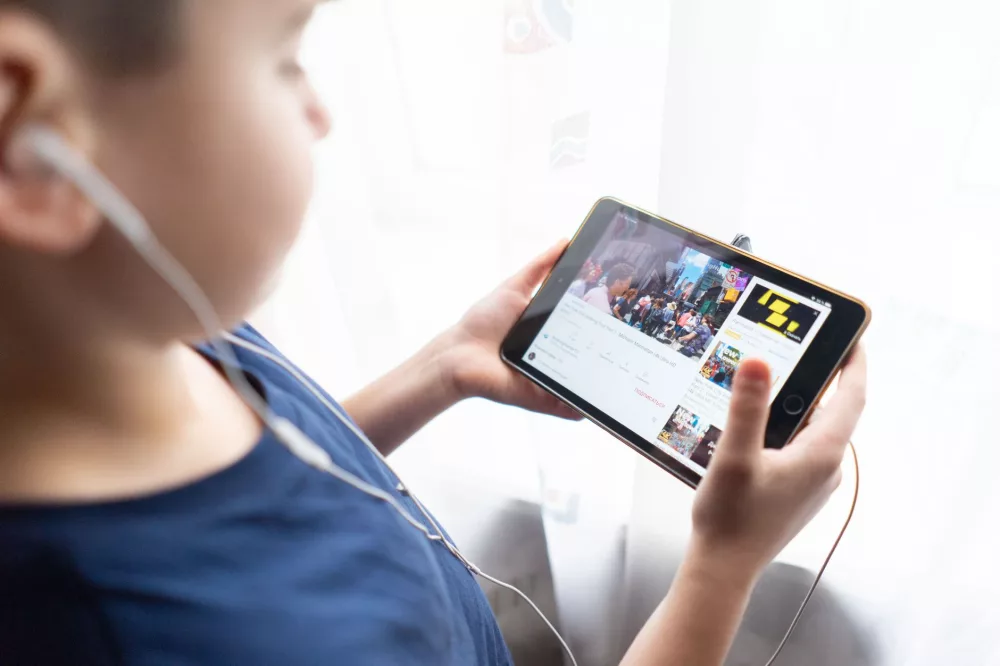
What Are 'Ticket to Read' Apps, Anyway?
As someone who’s always been fascinated by educational technology, I've spent a fair bit of time looking into how digital tools can genuinely help kids learn. One area that's really captured my attention recently is what I call 'ticket to read' apps. You might be wondering, what exactly are those? Well, these aren’t just any reading apps; they’re specially designed platforms that use a clever system, often involving points, badges, or a 'ticket' economy, to incentivize and guide young learners through reading activities. It's a bit like a game, where progress isn't just about finishing a book, but about earning rewards for effort and achievement along the way. I've found that this gamified approach can be incredibly effective in keeping children engaged, especially those who might otherwise struggle with reading or find it a bit of a chore.
Think of it this way: instead of just asking a child to read a chapter, these apps might say, 'Read three pages correctly, and you'll earn a golden star!' or 'Complete this phonics exercise to get a ticket for a new virtual pet!' This isn't just about making reading fun; it's about building a consistent, positive feedback loop that encourages persistence and effort. For me, seeing kids light up when they earn a new badge is a clear sign that these apps are tapping into something powerful.
The Core Mechanics: How These Apps Keep Kids Hooked
The magic behind 'ticket to read' apps really lies in their psychological design. They aren't simply digital libraries; they're intricate systems built to motivate. I've noticed a few consistent mechanics that make them so successful:
- Gamification at its Best: This is probably the most obvious. Kids earn 'tickets,' coins, stars, or other virtual currency for reading books, completing comprehension quizzes, or mastering specific phonics skills. They can then use these earnings to unlock new levels, customize avatars, or buy virtual items within the app. It's incredibly satisfying for them!
- Personalized Learning Paths: Many of the best apps I've encountered use adaptive learning algorithms. This means the app isn't a one-size-fits-all solution; it adjusts the reading level and type of content based on the child's performance. If a child is struggling with short vowel sounds, the app will offer more activities focusing on that. If they're flying through early readers, it'll gently nudge them towards more complex texts. I appreciate this tailored approach because it ensures each child is challenged appropriately, not overwhelmed.
- Immediate Feedback: Unlike traditional reading where feedback might come days later from a teacher, these apps often provide instant correction and reinforcement. Mispronounce a word? The app might gently correct you or highlight it. Answer a comprehension question incorrectly? It'll explain why and give you another chance. This immediate loop is crucial for learning.
- Progress Tracking: From a parent or educator's perspective, this is a huge win. These apps usually have robust dashboards that show how much time a child has spent reading, their accuracy rates, the types of books they're engaging with, and their growth over time. I find this data invaluable for understanding where a child needs support and celebrating their successes.
Why I Believe They're a Game Changer for Young Readers
I genuinely think these types of apps offer some significant advantages in fostering literacy skills. Let me tell you a few reasons why I'm such a proponent:
Boosting Engagement and Motivation
Let's be honest, getting some kids excited about reading can be tough. These apps, with their vibrant graphics, interactive stories, and reward systems, make reading feel less like a chore and more like an adventure. I've seen firsthand how the prospect of earning a 'ticket' can turn a reluctant reader into an enthusiastic one. It transforms the act of reading into something intrinsically rewarding beyond just understanding the text.
Tailored Learning Experiences
Every child learns differently, right? What's amazing about a good 'ticket to read' app is its ability to adapt. If my child is struggling with a particular concept, the app can provide extra practice. If they're excelling, it can offer more challenging material. This personalized approach means less frustration and more effective learning, which is something I deeply value.
Accessibility and Convenience
In today's world, our kids are practically digital natives. These apps make reading accessible anywhere, anytime, often even offline. Whether we're on a long car journey or just having some quiet time at home, a vast library of engaging content is right there at their fingertips. This convenience removes many barriers to consistent reading practice.
Invaluable Insights for Parents and Educators
The data-driven insights these apps provide are incredibly powerful. I can easily see how my child is progressing, where their strengths lie, and what areas need more attention. This information empowers me to support their learning more effectively and have more targeted conversations with their teachers. It truly closes the loop on understanding their reading journey.
Things I Consider Before Recommending an App
While I'm a big fan, it's not a free-for-all. I always look at a few critical aspects before endorsing any 'ticket to read' app:
- Quality and Breadth of Content: Is there a good variety of books? Are the stories age-appropriate and engaging? Is the educational content accurate and aligned with learning standards? I want to make sure kids are reading *good* stuff.
- User Interface and Experience: Is it intuitive for a child to navigate? Are the graphics appealing without being overly distracting? If a child can't figure out how to use it easily, they'll just get frustrated.
- Adaptive Technology: How sophisticated is the app's ability to adjust to a child's individual needs? Does it truly personalize the experience, or is it just a static library with some quizzes? I'm looking for smart, responsive learning.
- Parental Controls and Progress Reporting: Can I easily monitor my child's activity and progress? Are there options to set time limits or customize content access? This is essential for responsible digital usage.
- Cost and Subscription Model: Many of these apps operate on a subscription basis. I weigh the cost against the value and features offered. Are there free trial options so I can try before I commit?
It's also worth thinking about screen time. As much as I love these apps, I always advocate for a balanced approach. Digital reading is fantastic, but it shouldn't completely replace physical books and shared reading experiences. It's about finding that sweet spot where technology enhances, rather than dominates, a child's learning. My goal is always to integrate these tools thoughtfully into a broader literacy strategy.
The Road Ahead for Reading Apps
Looking to the future, I'm genuinely excited about where 'ticket to read' apps are heading. I imagine even more sophisticated AI that can not only adapt content but also identify subtle learning patterns we might miss. Perhaps we'll see more integration with augmented reality, making stories literally pop off the screen. Whatever comes next, I'm confident that these innovative platforms will continue to play a crucial role in helping countless children discover the joy and power of reading. It's a fantastic journey to witness, and I'm always eager to see how they evolve to meet the needs of the next generation of readers.
About Editorial Team
Senior columnist and culture critic specializing in architectural designs, emerging high-growth systems, and contemporary philosophies.